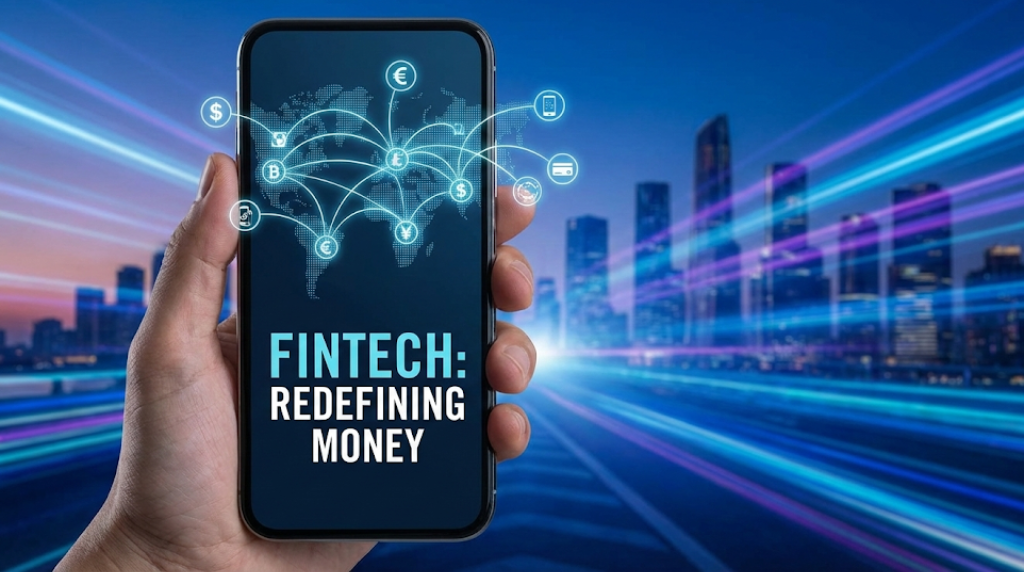
FinTech has emerged as a powerful movement that is reshaping the global financial ecosystem. By combining finance with modern digital technologies, FinTech is changing not only how financial services are delivered but also how people think about money. It focuses on speed, accessibility, and intelligent solutions that align with today’s digital lifestyles.
At its core, FinTech represents the modernization of financial systems through technology. Services such as digital payments, online lending, expense management, wealth platforms, and embedded finance are now integrated into everyday life. These tools reduce friction, eliminate unnecessary delays, and offer users greater autonomy over their financial decisions.
One of the most impactful aspects of FinTech is its ability to simplify financial interactions. Complex processes like loan approvals, insurance claims, and account verification are now handled through digital workflows. By reducing manual intervention, FinTech platforms improve accuracy and provide faster outcomes. This efficiency benefits both consumers and businesses, allowing them to focus on growth rather than administration.
FinTech has also transformed the relationship between financial service providers and users. Traditional finance often followed a one-size-fits-all approach, while FinTech emphasizes customization. Platforms use intelligent systems to adapt services based on individual needs, offering tailored recommendations, alerts, and financial insights. This personalized approach builds stronger engagement and trust.
Another major contribution of FinTech is its role in enabling seamless digital commerce. Integrated payment solutions allow businesses to accept multiple payment methods, manage subscriptions, and automate reconciliation. These capabilities are essential in a global digital economy where speed and reliability directly influence customer satisfaction.
Innovation within FinTech has also improved financial transparency. Digital dashboards provide real-time visibility into transactions, balances, and performance metrics. Users can easily track spending, analyze trends, and identify opportunities for optimization. For organizations, transparent data supports better forecasting and strategic planning.
FinTech is deeply connected to the rise of platform-based ecosystems. Financial services are increasingly embedded into non-financial applications such as e-commerce platforms, mobility services, and digital marketplaces. This integration allows users to access financial tools exactly when they need them, without switching platforms. Embedded finance is becoming a defining feature of modern digital experiences.
Security and resilience are fundamental pillars of FinTech growth. With the increase in digital activity, protecting financial data is essential. Advanced security protocols, continuous monitoring, and real-time alerts help mitigate risks and maintain system integrity. As threats evolve, FinTech continues to innovate in safeguarding digital assets and user information.
Despite its rapid expansion, FinTech must address challenges related to compliance, inclusivity, and long-term sustainability. Ensuring fair access, responsible innovation, and regulatory alignment is critical. Collaborative efforts between technology leaders, regulators, and financial institutions will determine the future success of the FinTech ecosystem.
In summary, FinTech is redefining how the world interacts with money. It brings agility, intelligence, and inclusivity to financial services while supporting innovation across industries. As digital transformation continues, FinTech will remain a key driver in building smarter, more connected financial systems for the future.